10 Tips for Better Expense Tracking
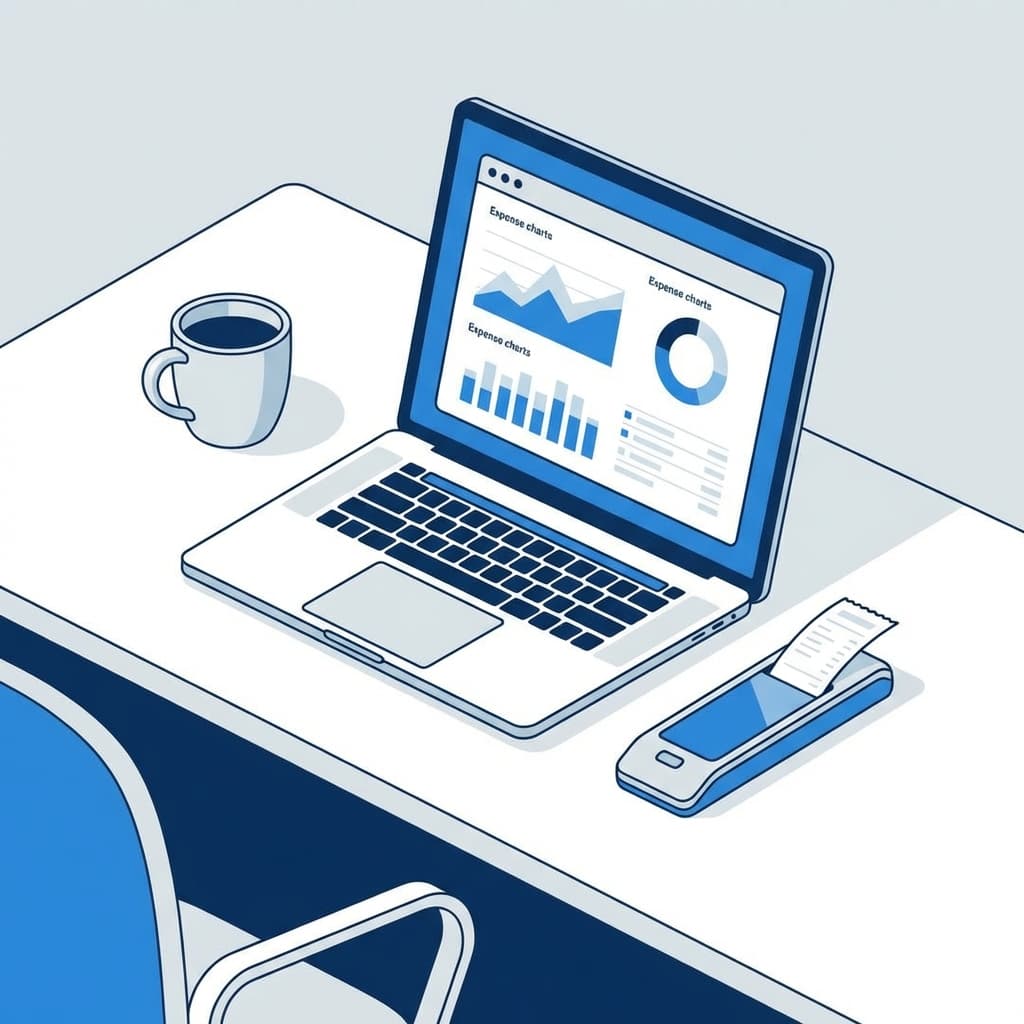
Managing business expenses is crucial for financial health, especially in the fast-paced economy of 2026. Whether you're a freelancer, a startup founder, or a small business owner, keeping a close eye on your cash flow is non-negotiable. Here are 10 tips to help you stay on top of your finances:
1. Separate Business and Personal Expenses
One of the most important steps is to keep your business and personal finances separate. Open a dedicated business bank account and credit card. This simplifies tax season and gives you a clear view of your business profitability. Mixing funds is a surefire way to create accounting headaches later.
2. Digitize Everything
Paper receipts fade, get lost, and clutter your office. Use a modern digital tool like Giderly to scan and store your receipts securely in the cloud. Digital records are easier to search, organize, and share with your accountant. Plus, in 2026, digital copies are universally accepted by tax authorities.
3. Categorize Expenses Immediately
Don't wait until tax season to organize your expenses. Categorize them as you go utilizing AI-driven tools. Real-time categorization helps you stick to your budget and identify overspending early. Knowing exactly how much you spend on "Marketing" vs. "Operations" allows for better strategic decisions.
4. Review Regularly
Set aside time each week or month to review your expenses. This 'financial check-up' helps you spot errors, identify subscriptions you no longer use, and find areas where you can cut costs without sacrificing quality.
5. Understand Tax Deductions
Know what expenses are tax-deductible in your region. From home office supplies to travel expenses and software subscriptions, ensuring you claim every eligible deduction can save you a significant amount of money at the end of the year.
6. Automate Recurring Expenses
Set up automatic payments for regular bills to avoid late fees. Simultaneously, use tools that automatically log these transactions into your expense tracker. Automation reduces mental load and eliminates human error.
7. Use Mobile Accounting
Manage your finances on the go. Mobile apps allow you to capture receipts immediately after a purchase, reducing the chance of lost documentation. Snap a picture right at the restaurant or supply store.
8. Track Cash Expenses
Even in a digital world, cash spending happens. Make sure to log these immediately. Small cash purchases can add up to a significant amount over a year if left untracked.
9. Plan for Major Expenses
Anticipate future costs like equipment upgrades or tax payments. creating a sinking fund for these large expenses ensures you won't be caught off guard when the bill arrives.
10. Consult a Professional
While tools give you control, a financial advisor or accountant provides strategy. Use your organized data to have meaningful conversations with professionals about growth and tax optimization.
By following these tips and leveraging modern tools, you can take control of your business finances and focus on what you do best: growing your business.